Pat Gelsinger
Introduction
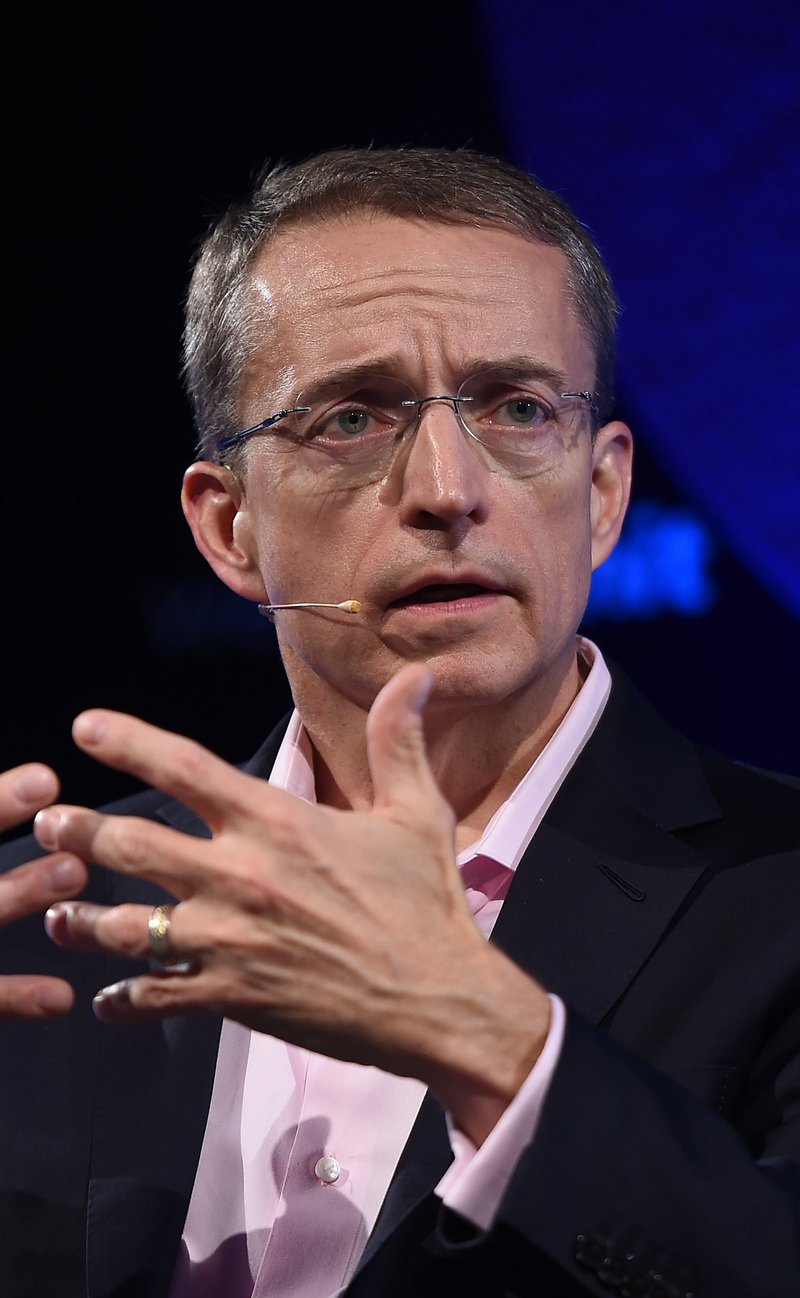
Pat Gelsinger is a veteran semiconductor executive who returned to Intel in 2021 to lead the company as chief executive officer. He was brought in to stabilize the chipmaker, which had been losing market share and struggling to keep pace with rivals such as Nvidia and TSMC. In December 2024, less than four years after taking the helm, Gelsinger was forced out by Intel’s board of directors after a contentious meeting and a loss of confidence in his turnaround strategy. The ouster came as Intel’s stock had fallen sharply and the company faced intense pressure over its performance in the booming artificial intelligence market.
Background Information
Gelsinger built a long career inside Intel, rising to become the company’s first chief technical officer at the turn of the century. He later moved on to lead other technology companies, including EMC, and returned to the industry as chief executive of VMware. Intel invited him back in 2021 to succeed Bob Swan, tasking him with an audacious plan to restore the company to parity with the world’s leading chipmakers, Samsung and TSMC. As part of that effort, Gelsinger oversaw large capital buildouts of new fabs in the United States and elsewhere, and he positioned Intel as the single largest beneficiary of the U.S. CHIPS and Science Act, winning a multibillion-dollar grant and a major Department of Defense contract to build secure chips.
Intel, one of the first and most influential semiconductor companies in the world, had for decades been a symbol of American chipmaking leadership. But by the time of Gelsinger’s departure, its market capitalization was less than half of what it had been in 2021, and its stock had fallen roughly 52 percent year to date. The artificial intelligence boom, which enriched rival Nvidia, had left Intel behind in the market, and the company’s free cash flow was strained by the heavy spending Gelsinger’s buildout plans required.
The Controversy or Incident That Led to Their Cancellation
The decisive episode was a board meeting over the weekend before Intel’s announcement. According to a person familiar with the matter, the board grew increasingly concerned that Gelsinger had failed to respond to Nvidia’s competitive edge and had lost the confidence of the directors in his turnaround plans. The meeting was described as contentious, and board member Frank Yeary, Intel’s longest-serving director, was reported to be a key driver of the decision. Intel announced on Monday, December 2, 2024, that Gelsinger had retired effective December 1, 2024, and stepped down from the board of directors. CFO David Zinsner and products CEO MJ Holthaus were named interim co-CEOs, and Yeary was named interim executive chair. The board’s move was first reported by Bloomberg.
In a press release, Gelsinger framed the departure in measured terms, describing “tough but necessary decisions” to position Intel for current market dynamics. The company did not immediately return requests for comment about the board meeting. The ouster raised fresh questions about Intel’s governance, particularly after the departure of director Lip-Bu Tan had left the board without semiconductor expertise.
Public Reaction and Consequences
Intel’s shares fell about 2 percent on the day of the announcement. Market reaction to the leadership change was mixed: some investors welcomed a fresh look at the company’s strategy, while others saw the forced exit of a high-profile CEO as a sign of a deeper crisis at one of the United States’ most important technology companies. The incident was widely covered as an example of how even a celebrated executive can be removed when a board loses confidence in his ability to deliver a turnaround. Yeary, now interim executive chair, would have to lead a search for a new permanent CEO, setting Intel on another executive transition after a turbulent period.
Current Status
Following his departure in December 2024, Gelsinger left both the role of chief executive and the Intel board of directors. In the material reviewed, he was not immediately reprised to a prominent public leadership role at Intel. The company continued its search for a permanent chief executive under the interim leadership of Zinsner and Holthaus. Gelsinger’s tenure is remembered as a period of ambitious but expensive strategy that ended without the board’s confidence fully restored.
Impact on Their Career/Life
Gelsinger’s forced exit is a notable case of a top technology CEO being removed by his own board over performance rather than a scandal. It marked the end of his nearly four-year effort to transform Intel and the end of his role at the company where he had originally made his name. While his broader career in the semiconductor industry remained intact, the episode demonstrated the limits of executive autonomy at a struggling public company and the willingness of a board to move quickly when investor confidence erodes.