R. Kelly
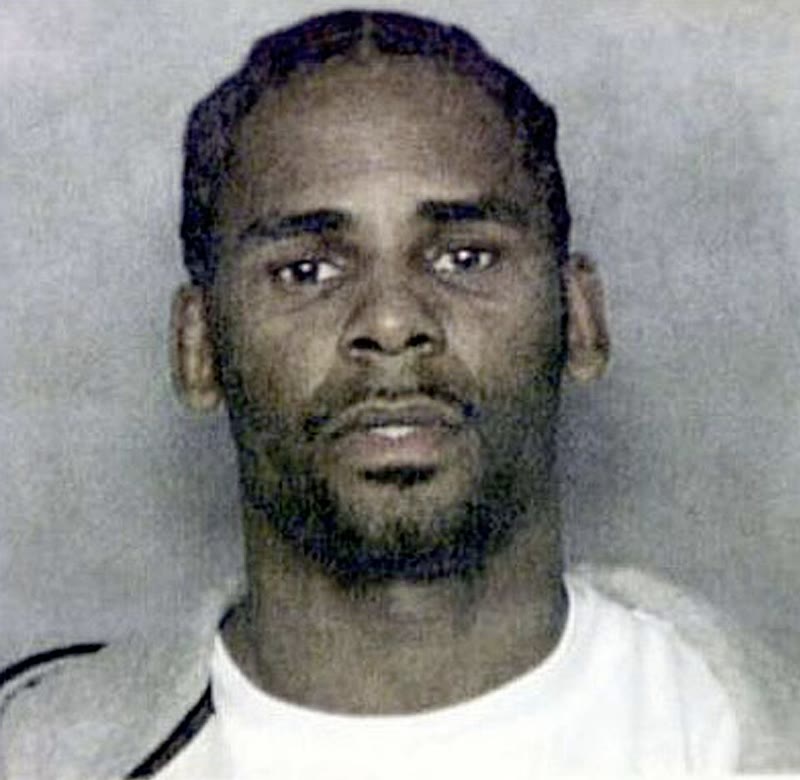
Introduction
Robert Sylvester Kelly, known professionally as R. Kelly, was one of the most successful R&B artists of the 1990s and 2000s, with hits including “I Believe I Can Fly,” “Ignition (Remix),” and “Bump n’ Grind.” He faced sexual abuse allegations for decades, but it was the #MuteRKelly movement and the 2019 Lifetime docuseries “Surviving R. Kelly” that pushed his case into a full public reckoning. In 2019 he was charged federally in New York with racketeering and sex trafficking, and on September 27, 2021, a federal jury in Brooklyn convicted him on all counts. He was sentenced to 30 years in prison in June 2022 and remains incarcerated.
Background Information
Kelly was born in Chicago in 1967 and rose from performing on street corners to become one of the defining R&B figures of his generation. His 1993 debut album “12 Play” produced the hit “Bump n’ Grind,” and his 1996 single “I Believe I Can Fly,” written for the film “Space Jam,” became one of the best-selling songs of the decade. He won multiple Grammy Awards and reached another career peak in the early 2000s with “Ignition (Remix).”
Allegations of sexual misconduct followed him for much of that success. He faced accusations from the 1990s onward, and in 2002 he was charged in Illinois with child pornography after a videotape allegedly showed him with an underage girl; he was acquitted at trial in 2008. The acquittal did not end the scrutiny, and allegations continued to surface in the years that followed.
Despite the unresolved controversies, Kelly remained a commercially viable artist through the 2000s and 2010s, continuing to release albums and tour even as the accusations accumulated. His 2003 single “Ignition (Remix)” became one of the decade’s most-played R&B records, and his collaborations with other artists kept him in heavy rotation on radio and streaming well into the 2010s.
The Controversy or Incident That Led to Their Cancellation
The turning point came in the late 2010s. The #MuteRKelly movement, which urged fans to boycott his music and concerts, gained momentum online, and in January 2019 the Lifetime docuseries “Surviving R. Kelly” aired detailed accounts from women who said he had abused them. The response was swift: RCA Records dropped him in early 2019, and Spotify removed his music from its curated playlists.
In 2019 Kelly was charged federally in New York with racketeering and sex trafficking, with prosecutors alleging that he and his associates had recruited women and underage girls for sex for years. He was separately charged in Illinois with sexual abuse and child pornography offenses. He pleaded not guilty and went to trial in Brooklyn in 2021, where accusers testified against him.
On September 27, 2021, the jury convicted him on all counts: racketeering and multiple Mann Act violations related to the sex trafficking of women and girls.
Public Reaction and Consequences
The conviction was widely covered as the culmination of a reckoning decades in the making. Survivors and advocates described the verdict as a long-delayed measure of accountability, and the case fueled broader conversations about the treatment of young women in the music industry. National outlets covered the trial’s testimony in detail, and the outcome was seen as a rare instance of a major artist facing criminal consequences for conduct that had been reported on for years.
On June 29, 2022, a federal judge sentenced Kelly to 30 years in prison. Separately, he was convicted in Chicago federal court in 2022 on child pornography and enticement charges and received an additional sentence that largely runs concurrently with the New York term. The combined outcome meant that, even with the concurrent component, his imprisonment would extend for decades.
Current Status
Kelly remains imprisoned, serving his 30-year federal sentence. In 2024, a federal appeals court upheld the conviction and sentence, rejecting his appeal, according to reports.
His separate 2022 Chicago conviction carried an additional term that largely runs concurrently with the New York sentence. As of 2026, he remains in federal custody, and his appeals have not succeeded in overturning his convictions.
Impact on Their Career/Life
The fallout effectively ended a career that had spanned three decades. His catalog was broadly pulled from streaming playlists and radio rotation, and his label severed ties with him in early 2019 at the height of the backlash. Once among the biggest names in R&B, he became a figure defined in public memory by his convictions rather than by his catalog.
The case stands among the highest-profile reckonings in the music industry of its era, showing how allegations that had circulated for decades could go largely unaddressed until public pressure and legal action converged. Kelly’s reputation collapsed, his music was effectively retired from mainstream platforms, and he remains confined to prison serving his 30-year sentence.