Shirin Saeidi
Introduction
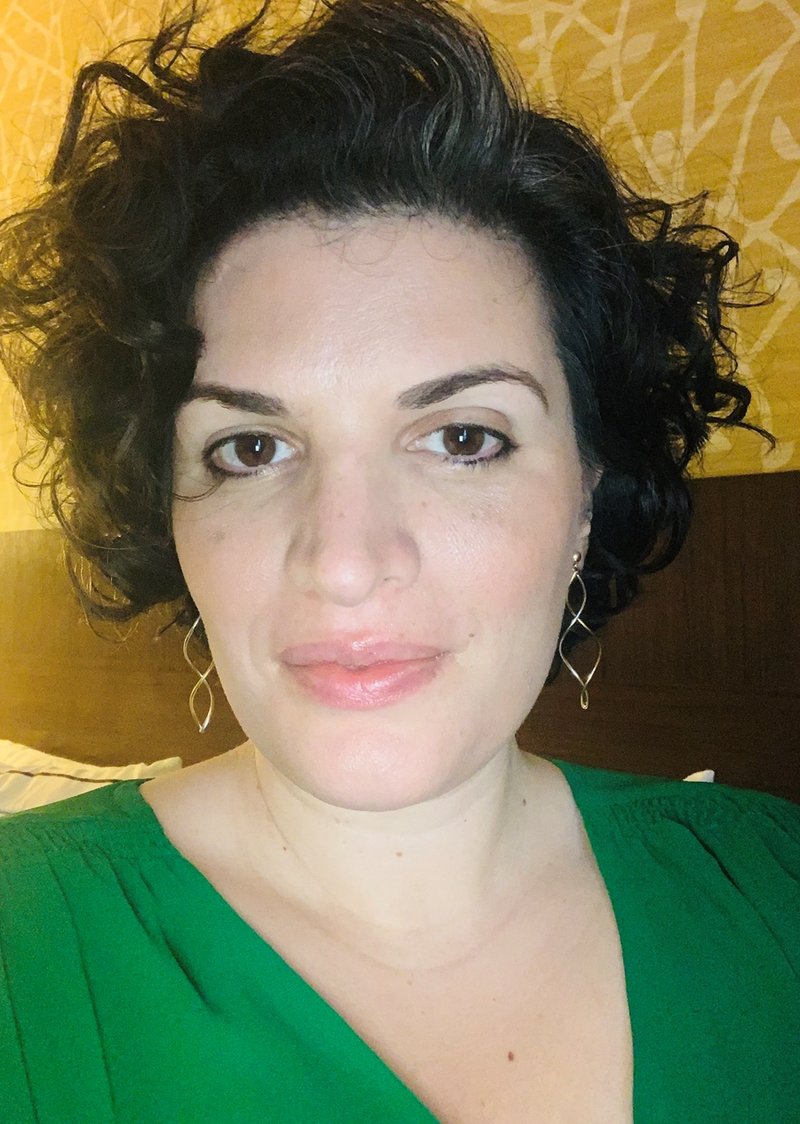
Shirin Saeidi is a tenured associate professor at the University of Arkansas in Fayetteville and the former director of the university’s King Fahd Center for Middle East Studies. In late 2025 and early 2026, she became the subject of a high-profile academic controversy after social media posts about Israel and Iran drew complaints from lawmakers and a group of Iranian dissidents. The university moved to remove her as director and then, in April 2026, dismissed her, even as a faculty committee had unanimously recommended that she be reinstated. The case drew attention as an example of the consequences that can follow a professor’s online political commentary.
Background Information
Saeidi holds a doctorate and is a tenured associate professor in the field of Middle East and political studies at the University of Arkansas. She led the King Fahd Center for Middle East Studies, a unit at the university focused on the region. Her academic position and the public nature of the center made her online activity a focal point when her posts became disputed. The University of Arkansas System is a public university system, and its president, Jay B. Silveria, had authority over appointments and terminations at the state’s flagship campuses.
The Controversy or Incident That Led to Their Cancellation
The controversy began with a series of social media posts in which Saeidi commented on Israel and Iran. Allegations, reported by lawmakers and by a group of Iranian dissidents, said the posts included praise for Iran’s Supreme Leader, references to the Iranian regime, and criticism of Israel. The university first removed her from her role as director of the King Fahd Center in December 2025, and a faculty committee reviewed the matter. That committee unanimously recommended that she be reinstated. Despite that recommendation, University of Arkansas System President Jay B. Silveria dismissed her, and she vowed to appeal the decision. A final hearing in the appeal was scheduled for May 21, 2026.
The university’s handling of the case drew criticism from some faculty and outside observers who questioned the termination of a tenured professor in the face of a unanimous reinstatement recommendation. Saeidi has characterized her posts as protected expression and has pursued an appeal of her dismissal. The allegations against her were described in reporting as allegations; the outcome of the appeal and any formal finding were not yet resolved in the material reviewed.
Public Reaction and Consequences
The case attracted attention from faculty, students, and political figures on multiple sides of the debate. Some defended Saeidi’s right to express political views and argued that terminating a tenured professor over social media posts was a serious step. Others supported the university’s decision, citing the specific content of the posts and the complaints that had been filed. The dispute became part of a broader national discussion about the boundaries of academic freedom, the role of social media in professional accountability, and the standards that public universities apply to faculty conduct. The university’s governing trustees later reviewed the matter.
Current Status
As of the material reviewed, Saeidi’s dismissal had been carried out, and she had vowed to appeal. A final hearing in the appeal was scheduled for May 21, 2026, and the university’s board of trustees reviewed and, according to reporting, upheld the firing of the professor over the online posts. The exact legal and employment status of the case beyond that point was not fully resolved in the material reviewed. The matter remained a reference point in coverage of academic freedom and faculty conduct.
Impact on Their Career/Life
The episode effectively ended Saeidi’s role at the University of Arkansas and disrupted a tenured academic career. The dispute over her social media posts drew sustained public attention and made her a figure in the ongoing debate about how universities respond to faculty political expression online. Whether the appeal ultimately restored her position was still unresolved in the material reviewed, and the case continued to be cited in discussions of the limits of academic freedom and the consequences of public online commentary.