Matthew Kargol
Introduction
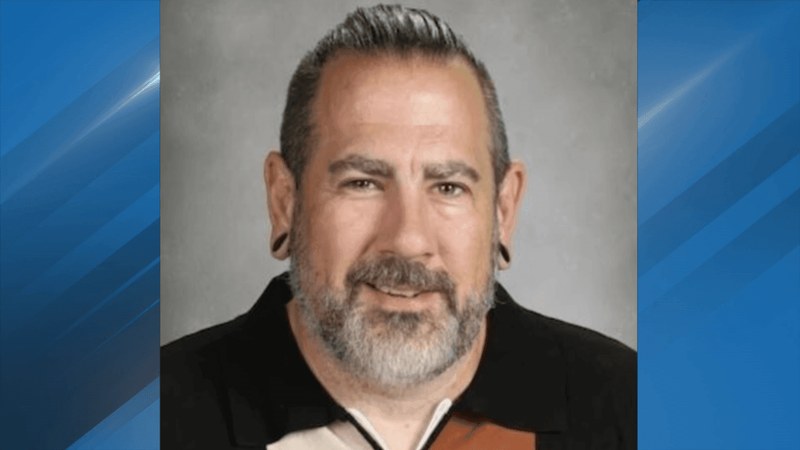
Matthew Kargol was an art teacher and coach in the Oskaloosa Community School District in Iowa until a Facebook post made hours after Charlie Kirk was shot cost him the job. On 10 September 2025, shortly after authorities confirmed that Kirk had been shot and killed while speaking at Utah Valley University, Kargol posted the comment “1 Nazi down” on his personal Facebook account, and when another user objected he allegedly replied, “Yep, he was part of the problem, a Nazi.” The post was deleted within the hour, but not before word reached the district: Kargol was placed on administrative leave, the school board unanimously voted to terminate his contract, and he responded with a federal lawsuit arguing his First Amendment rights had been violated. An administrative law judge later ruled he had committed job-related misconduct in an unemployment dispute.
Background Information
Kargol worked for the Oskaloosa Community School District as an art teacher and coach, in a small Iowa community where, as one resident put it, “everybody knows who you are, so when you go out and say statements everybody knows you’re the teacher in town.” His case arose amid a broader reckoning: the district was one of multiple K-12 systems in Iowa, including Creston and Des Moines, reviewing employee posts after Kirk’s 10 September 2025 assassination at Utah Valley University.
The Controversy or Incident That Led to Their Cancellation
According to the written findings of Administrative Law Judge David Steen, Kargol posted his comment to Facebook around 5 p.m. on 10 September 2025 — within hours of authorities confirming Kirk had been shot and killed that day — stating: “1 Nazi down.” When another Facebook user commented, “What a s—-y thing to say,” Kargol allegedly replied: “Yep, he was part of the problem, a Nazi.” He deleted the posts within an hour, but by 6 p.m. the district had begun fielding calls and text messages from the public; that evening the district’s leadership team met with Kargol by telephone, asked him to resign — he declined — cited concern for his safety amid the public reaction, and placed him on administrative leave.
The volume of the response overwhelmed a small district. The next day, officials fielded roughly 1,500 telephone calls and 280 voicemail messages about the posts, requiring staff to be redirected from normal duties and prompting requests for additional law enforcement presence at school facilities because some messages alluded to possible physical threats. Superintendent Mike Fisher said the school had been contacted over a thousand times, mostly from people outside the community, and told reporters the district had moved as fast as Iowa law allowed: “You cannot move faster than five days, and we had five days in this so we moved as expediently as we could while honoring the rights of all people involved.”
Public Reaction and Consequences
On 16 September 2025, Fisher submitted a written recommendation to the school board that Kargol be fired, citing two primary reasons: a disruption to the learning environment and a violation of the district’s code of ethics. After a closed session with Kargol at a special meeting the following Wednesday, the board voted unanimously in public to terminate his contract. Fisher said the decision came down to facts and policy, not outside pressure: “It’s really not about a push. It’s about our investigation and finding a fact and policy.” The district’s ethics policy states that employees “are representatives of the district at all times and must model appropriate character, both on and off the worksite,” including material posted on personal social media accounts.
The firing divided the small community. Dozens attended the board meeting, which featured five uniformed police officers and no public comment under special-meeting policy; board president Kathy Butler asked residents to “continue to extend grace and hope and be the good in the community.” James Feudner, a 50-year-old Oskaloosan running for school board who had alerted the superintendent to the post, called it “a lapse in judgement” but said parents were left wondering, “if this guy’s saying this kind of stuff on social media, what is he telling his kids?” Another resident, Kyle Almond, said he considered the post extremism, not activism: “What you put online, it’s not going away.” State Rep. Helena Hayes, whose district includes Oskaloosa, relayed constituents’ calls for termination to the superintendent while noting, “Free speech matters, but so does protecting children.”
Current Status
Kargol is fighting the termination in federal court. Days after being fired, he filed a federal lawsuit against the Oskaloosa Community School District and Superintendent Michael Fisher alleging retaliation for exercising his First Amendment right to expression, arguing the post was hyperbole about a widely reported national event, made on his personal account while off duty, on an account that does not advertise that he is a teacher. “By terminating Mr. Kargol’s employment for the content of his speech, Defendants wielded state power to punish a citizen for expressing his opinion on political issues,” the suit reads. “Their actions strike at the heart of the First Amendment and chill the exercise of constitutional rights.” It seeks unspecified damages, attorneys’ fees and litigation expenses; the district has denied any wrongdoing and no trial date has been scheduled. Separately, in January 2026 an administrative law judge ruled in the district’s favor on unemployment benefits, concluding Kargol committed job-related misconduct that disqualified him from collecting them — a ruling on benefits, the judge noted, not on whether the firing was correct.
Impact on Their Career/Life
A single hour of posting ended a teaching and coaching career in Oskaloosa and opened a legal battle still unresolved. The administrative law judge found the district calculated its response costs at $14,332.10, that Kargol’s posts “reflected negatively on the employer and were against the employer’s interests,” and that they caused “substantial disruption to the learning environment” — grounds that cost him unemployment benefits even as his First Amendment suit argues the district punished the content of his speech and that the superintendent’s condemnation was “rooted in his personal beliefs, not in evidence of disruption.” Whether the federal courts accept his argument that a personal, off-duty Facebook post is protected speech will determine whether the classroom career he lost in September 2025 can be restored, or stands as the price of the post.