Dylan Mulvaney
Introduction
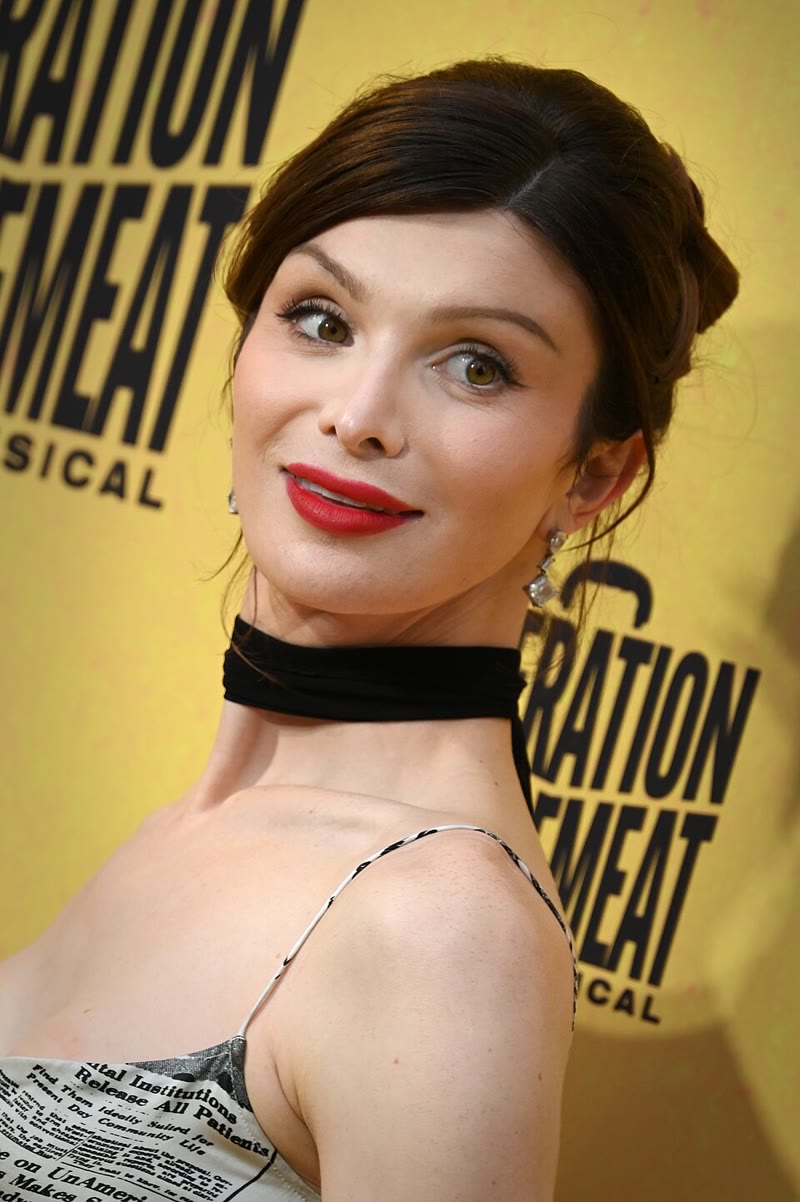
Dylan Mulvaney, an American actress and TikTok creator who documented her gender transition in her viral video series “Days of Girlhood,” became a central figure in a national debate over transgender rights after a Bud Light marketing partnership in early 2023 triggered a massive conservative boycott of the beer brand. The episode reportedly cost Anheuser-Busch billions in market value, cost Bud Light its place as America’s best-selling beer, and turned Mulvaney into a symbol in a wider culture war over brand marketing and transgender visibility.
The backlash also brought her harassment and threats, and it reshaped the trajectory of her career. The boycott became one of the most closely watched examples of consumer activism in recent years — and a case study in how quickly a creator can be caught between the brands that elevated her and the audiences that sought to tear her down.
Background Information
Mulvaney built her following on TikTok with “Days of Girlhood,” a video series that chronicled her gender transition day by day and drew millions of followers, making her one of the most visible transgender creators on the platform. Before her TikTok fame, she worked as an actress, and her blend of candid personal storytelling, humor, and musical-theater energy helped her stand out in a crowded field of creators.
Her rising profile attracted mainstream attention, and by early 2023 she had begun partnering with major consumer brands. Those deals reflected a broader trend in which companies sought to reach younger audiences through LGBTQ-inclusive marketing, and Mulvaney was among the creators positioned at the center of that push.
The Controversy or Incident That Led to Their Cancellation
In early 2023, Bud Light, then the best-selling beer in America, partnered with Mulvaney as part of a March Madness promotion. As part of the campaign, the company sent her a custom can bearing her face, and on April 1, 2023, she posted a video about it. The post immediately drew criticism from conservative commentators and influencers, who called for a boycott of Bud Light and its parent company, Anheuser-Busch.
The boycott gained momentum after the musician Kid Rock filmed himself shooting cases of Bud Light with a rifle and posted the video, a moment that became a rallying point for the campaign. The backlash spread rapidly across social media, and per reports the company’s sales dropped sharply, Bud Light lost its status as America’s best-selling beer to Modelo Especial, and Anheuser-Busch’s market value fell by billions of dollars.
Anheuser-Busch distanced itself from the partnership and ultimately did not renew it. Two of its marketing executives took leave and were later let go as the company responded to the fallout. Mulvaney later said publicly, including in an April 2024 interview with Rolling Stone, that the company never reached out to her during the harassment she faced in the months that followed.
Public Reaction and Consequences
The Bud Light boycott grew into one of the largest and most sustained consumer boycotts in recent memory and divided public opinion. Conservative activists framed it as a rebuke of corporate “woke” marketing, while supporters of Mulvaney and LGBTQ rights criticized Anheuser-Busch for abandoning her and capitulating to pressure. The episode became a flashpoint in debates over transgender rights, brand advertising, and cancel culture itself.
Mulvaney faced harassment and threats in the aftermath, and other brand deals drew criticism, including a Nike campaign and a Tampax advertisement. Not all advertisers retreated: Planet Fitness ran a Super Bowl ad featuring her in 2024, and she continued to appear in interviews and other public settings. Within the marketing industry, the episode prompted reassessments of culture-related advertising, with some companies pulling back from LGBTQ-themed campaigns and others doubling down.
Current Status
As of this writing, Mulvaney has continued creating content and remains a prominent public figure in debates over transgender rights. She has stayed active on social media and has appeared in interviews and on podcasts discussing the boycott and the harassment that followed it.
Reports indicate she has also worked on documentary projects, including stories produced under the “She/Her” banner. She has not returned to the scale of mainstream brand partnerships she enjoyed before the controversy, and her public statements have frequently reflected on the personal toll the episode took on her.
Impact on Their Career/Life
The Bud Light episode effectively ended the mainstream brand-partnership boom that had been building around Mulvaney in early 2023. The speed with which a single promotional post produced a national boycott — and the losses absorbed by both the creator and the company — illustrated how quickly public standing can shift in the age of social media activism.
Despite the commercial losses, Mulvaney remained one of the most recognizable transgender public figures in the United States, sustaining her career through content creation, interviews, podcast appearances, and reported documentary work. The controversy also cemented her role in national conversations about transgender rights, corporate responsibility, and the limits of brand activism.
For Mulvaney, the episode’s legacy is deeply personal. She has said the company behind the campaign never reached out to her during the harassment she endured, and the boycott stands as a case study in how a brand partnership can become a liability overnight — and how a creator’s voice can be both amplified and weaponized by forces far beyond her control.