Barbie Bassett
Introduction
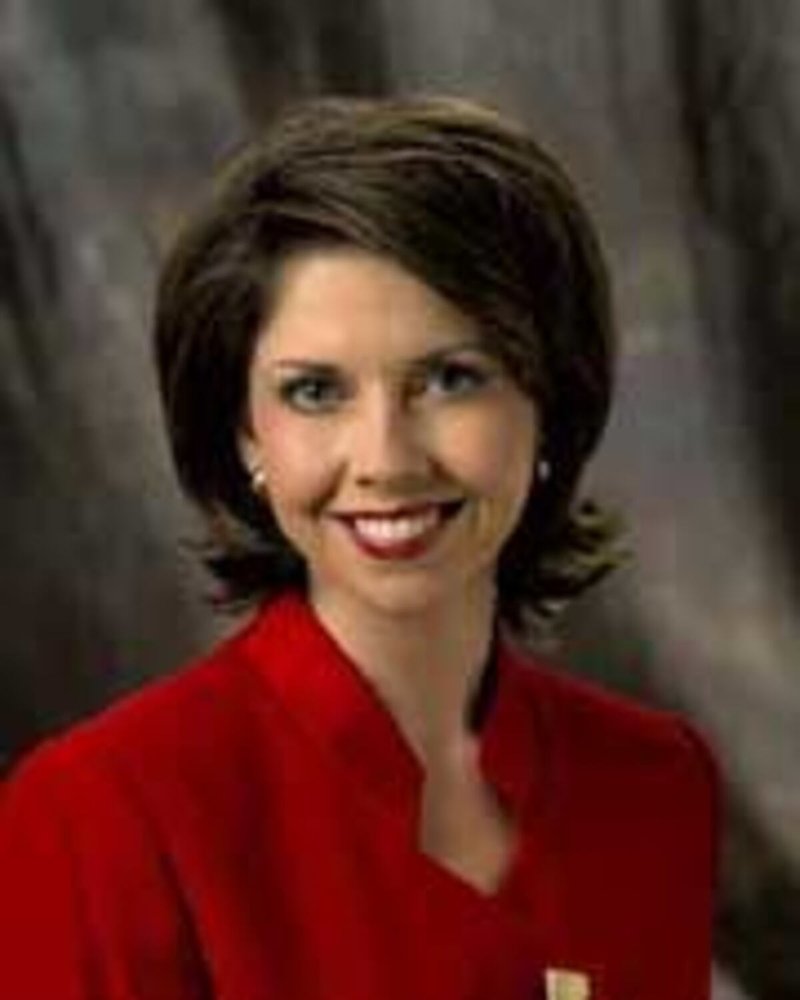
Barbie Bassett is an American television personality who worked as a morning news anchor and chief meteorologist at WLBT, an NBC affiliate in Jackson, Mississippi. In March 2023, she was fired by the station after a remark she made on air during a segment about the rapper Snoop Dogg’s wine line drew public backlash. During a March 8 broadcast, Bassett used a phrase from Snoop Dogg’s song that is slang associated with a racial slur. The station’s decision to terminate her sparked debate about the severity of the punishment, with some defenders, including radio host Charlamagne Tha God, arguing that the firing was disproportionate. The case became a widely discussed example of how a single on-air misstep can end a broadcast career almost immediately, and it was widely shared and dissected across social media platforms in the days that followed.
Background Information
Bassett was known in the Mississippi market as a longtime local broadcaster, working both as a news anchor and as a chief meteorologist at WLBT. She had built a recognizable presence with viewers in the station’s morning newscast. WLBT is an NBC affiliate that serves the Jackson, Mississippi area, and its on-air talent is a visible part of the local media landscape. The station’s general manager and regional vice president, Ted Fortenberry, later issued a brief statement on personnel matters in connection with the incident.
The Controversy or Incident That Led to Their Cancellation
The incident occurred during a March 8, 2023 broadcast in which Bassett engaged in an on-air discussion about Snoop Dogg’s “Cali” wine line. During that segment, she used the phrase “fo shizzle, my nizzle,” which is drawn from Snoop Dogg’s song “It Was a Good Day.” The word “nizzle” is a playful form of a racial slur, and the remark drew immediate attention and criticism. Bassett, who is white, was also noted by reporters to have once tweeted a similar phrase in 2011, and to have apologized in October 2022 after a separate on-air remark about a Black reporter. WLBT confirmed that she had been fired, though the station declined to comment further on personnel matters.
Public Reaction and Consequences
The reaction was mixed. A number of commentators and viewers defended Bassett, arguing that the remark appeared to have been made in good faith while referencing the rapper’s own song and that firing was an overly harsh response. Radio DJ Charlamagne Tha God defended her on The Breakfast Club, questioning whether the phrase was a legitimate reason for termination and urging the public to reconsider the severity of the punishment. Others, by contrast, viewed the station’s decision as a defensible response to a racialized slip on a public broadcast, noting that the remark had been made in front of a live studio audience and to a viewing public. The station’s general manager and regional vice president, Ted Fortenberry, declined to elaborate, stating only that the station was unable to comment on personnel matters. The episode was widely shared online and became a reference point in discussions of how quickly on-air missteps can end a media career. It was also cited in broader debates about the standards applied to broadcasters and the role of social media in amplifying such moments.
Current Status
Following the termination, Bassett left her role at WLBT. In the material reviewed, she was not immediately reprised in the station’s lineup, and the incident was cited as the reason for her departure. The case remained a frequently discussed example of the personal and professional consequences that can follow a single on-air remark, particularly when it is captured and shared widely online. The station’s brief public statement acknowledged the decision without elaborating further.
Impact on Their Career/Life
Bassett’s case illustrates the heightened stakes of public broadcasting in the social media era, in which a single remark can be captured, shared and amplified quickly. Her firing ended her visible role at WLBT and made her a figure in the ongoing debate over the appropriate level of accountability for broadcasters. While some observers viewed the outcome as a warning to other media professionals about the risks of off-script commentary, others saw it as an instance of a disproportionate response. The incident continues to be cited in discussions of how local news anchors navigate politically and socially charged moments on air.