Damon Jones
Introduction
Damon Jones is an American former professional basketball player and assistant coach, an 11-season NBA journeyman guard who became one of the central figures in the 2025 NBA gambling scandal. On October 23, 2025, he was arrested by federal law enforcement as one of 34 defendants charged across two related cases — an insider sports betting scheme and a nationwide rigged-poker operation backed by Mafia families — and he was charged with conspiracy to commit wire fraud and conspiracy to commit money laundering in both. Jones initially pleaded not guilty in November 2025, but on April 28, 2026 he changed his plea in back-to-back hearings in Brooklyn federal court, admitting guilt to two conspiracy counts and becoming the first of more than 30 defendants across both cases to admit guilt. He is scheduled to be sentenced in both cases on January 6, 2027.
Background Information
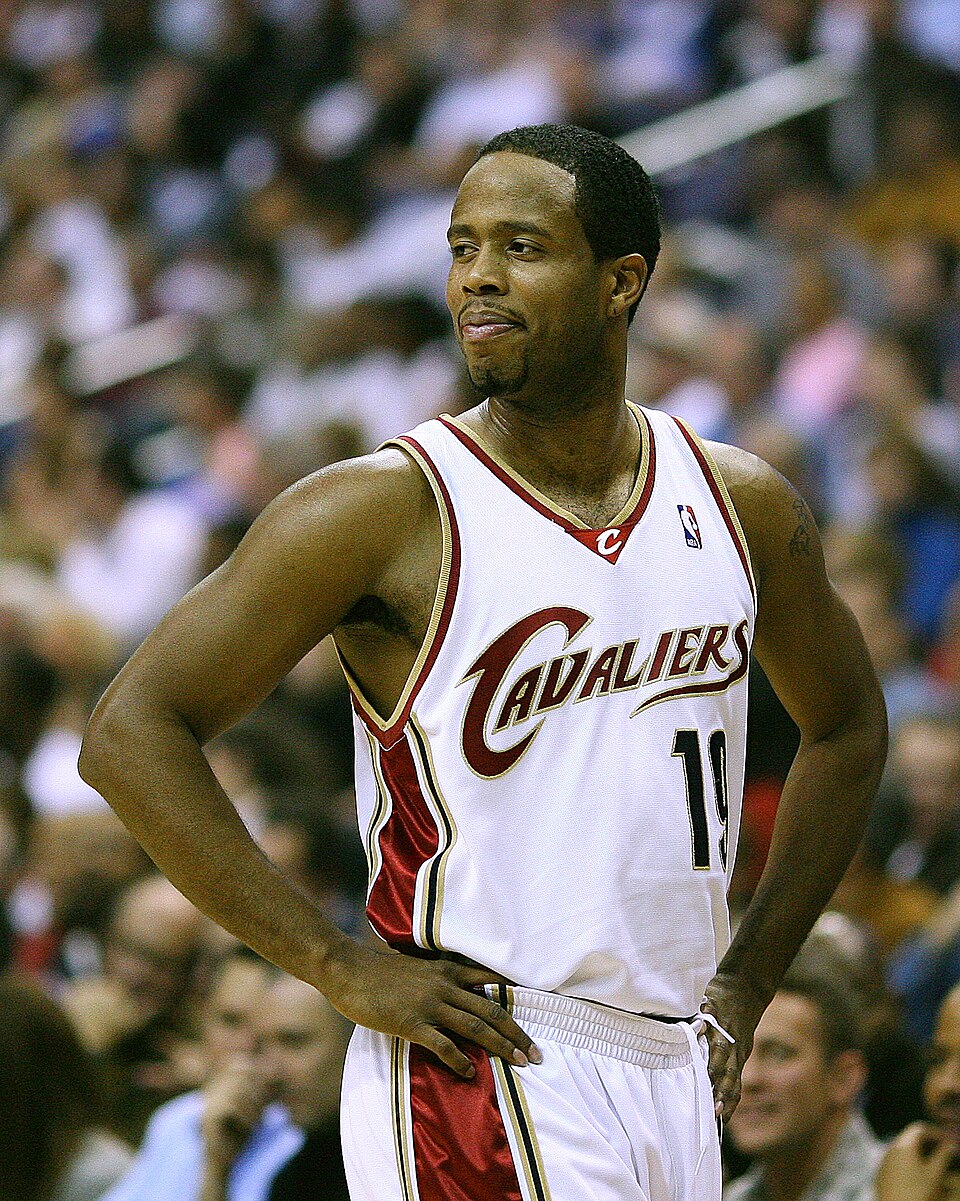
Jones starred at Galveston Ball High School before playing for the University of Houston as a combo guard from 1994 to 1997. He went undrafted in 1997 but pieced together an 11-year NBA career with several teams, including three seasons with the Cleveland Cavaliers, earning $21.7 million in contracts along the way. After his playing days, he returned to the league as an assistant coach for the Cavaliers from 2016 to 2018. Prosecutors say that standing later proved valuable in a different way: the government alleges Jones leveraged his friendships as a former player and coach — including a longtime friendship with former teammate LeBron James — to obtain private injury and locker-room information for bettors and to lend celebrity credibility to underground poker games.
The Controversy or Incident That Led to Their Cancellation
The case against Jones spans two federal indictments announced together on October 23, 2025. In the sports betting case, six defendants were accused of an insider conspiracy that exploited confidential information about NBA players and teams — a scheme the U.S. attorney called “one of the most brazen sports corruption schemes since online sports betting became widely legalized in the United States.” Jones was charged for his alleged role in influencing bets on two games and was alleged to have shared privileged injury information before two Los Angeles Lakers games, in 2023 and 2024. Prosecutors say he passed that information to bettors in exchange for kickbacks, citing messages he allegedly sent about a 2023 injury to James: “Get a big bet on Milwaukee tonight before the information is out!” and “Bet enough so Djones can eat [too] now!!!” In the poker case, 31 defendants, including members and associates of the Bonanno, Genovese and Gambino crime families, were charged with rigging high-stakes games that cheated victims out of approximately $7 million using modified shuffling machines, contact lenses or glasses that read premarked cards, and an X-ray table that could read face-down hands. Jones and Chauncey Billups were alleged to have worked as “face cards” — celebrities marketed by poker groups to “fish,” the players who wanted to compete against famous opponents — while secretly being in on the scam and luring unsuspecting victims into games in cities including Las Vegas, Miami, Manhattan and the Hamptons. Jones was one of three overlapping defendants charged in both cases, alongside Eric Earnest and Shane Hennen.
Public Reaction and Consequences
The arrests were announced by FBI Director Kash Patel, who said more than 30 people had been taken into custody across 11 states and described “tens of millions of dollars” in fraud, theft and robbery over a multiyear period, with the operations tied to Mafia families. The scandal put Jones in the same dock as Terry Rozier and Chauncey Billups, and both of those co-defendants pleaded not guilty and were placed on immediate leave by their teams. The government said the NBA has been fully cooperative throughout the process.
After Jones entered his pleas, U.S. Attorney Joseph Nocella said in a statement: “As shown by his guilty pleas today, Damon Jones converted his fame and ties to professional basketball into a multi-faceted criminal betting operation. He used private locker room and medical information from multiple NBA teams to cheat legitimate sportsbooks. He also, separately, lured unsuspecting victims to high-stakes rigged poker games.” NYPD Commissioner Jessica Tisch was blunter: “The defendant in this case traded his reputation for greed and fraud,” she said. “By exploiting his access to the NBA, and rigging illegal poker games across the country, Damon Jones attempted to orchestrate a scheme that defrauded victims of millions of dollars.”
Current Status
As of September 2026, Jones is awaiting sentencing as a convicted felon. On April 28, 2026, he pleaded guilty in the Eastern District of New York to two counts of conspiracy to commit wire fraud, one in each case, admitting that he used his status to help the Mafia fix poker sessions and to sell insider information to sports bettors. In the betting case he faces a guideline range of 21 to 27 months in prison; in the poker case, 48 to 63 months, after prosecutors agreed to subtract 15 months in exchange for his plea. He has also agreed to pay a total of $73,000, though the court could order additional restitution. Sentencing in both cases is set for January 6, 2027, and he remains free on bail until then. Co-defendants Rozier and Billups continue to maintain their not-guilty pleas.
Impact on Their Career/Life
The pleas formally ended Jones’s decades-long association with professional basketball. A guard who lasted 11 NBA seasons after going undrafted, and who later stood on an NBA bench as a Cavaliers assistant coach, now faces years in federal prison and a restitution obligation, with crimes that — in the government’s telling — were built directly on the access his playing and coaching career created. “Jones will now face the consequences for his corrupt conduct,” Nocella said. “Insider betting and rigged poker schemes erode the integrity of American sports and fair contest.” His early plea also carries strategic weight: as the first of more than 30 defendants to admit guilt, he may hold information valuable to prosecutors still pursuing Rozier, Billups and the organized-crime figures charged alongside them — a path that echoes the same Brooklyn office’s earlier prosecution of Jontay Porter, who pleaded guilty to withdrawing early from games so that confidants could win bets on his underperformance and was banned by the NBA. For a player who spent two decades accumulating credibility inside the league, the scandal has recast his legacy from NBA locker room to federal courtroom.