Bryan Kohberger
Introduction
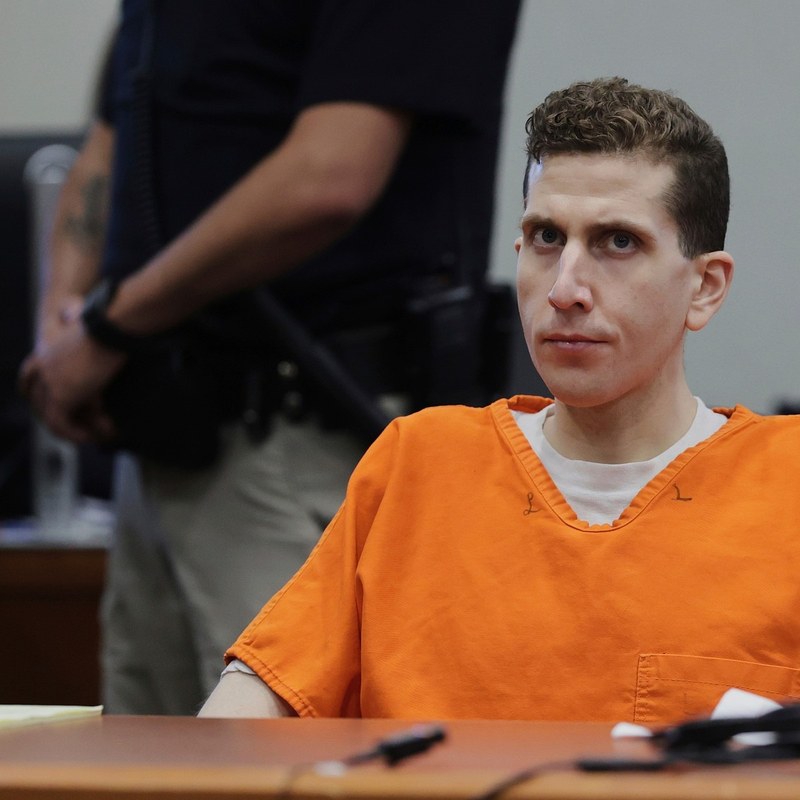
Bryan Kohberger is a former criminology doctoral student serving four consecutive life sentences without parole for the November 2022 fatal stabbings of four University of Idaho students in Moscow, Idaho — Ethan Chapin, Madison Mogen, Xana Kernodle, and Kaylee Goncalves. After more than two years of public attention on one of the most closely followed murder cases in recent American history, he admitted to the killings in a July 2025 plea hearing that spared him the death penalty, and Judge Steven Hippler sentenced him that same month. He is now waging an unusual legal campaign to take back that guilty plea — and, in September 2026, won a new court date in that effort.
Background Information
Kohberger was a PhD student in criminology at Washington State University in Pullman, Washington — near Moscow, Idaho — at the time of the 2022 murders. He was charged with killing the four students in January 2023, after his arrest in Pennsylvania more than a month after the stabbings. Prosecutors built the case around DNA from a knife sheath found at the crime scene that authorities said statistically matched Kohberger, along with phone records placing his phone near the victims’ house repeatedly in the months before the killings.
The victims — roommates Goncalves, Mogen, and Kernodle, and Kernodle’s boyfriend Chapin — were stabbed to death in the early morning hours of November 13, 2022, in their off-campus rental home. Authorities said the motive remained unknown and that they could not determine which victim was the specific target.
The Controversy or Incident That Led to Their Cancellation
On July 2, 2025, weeks before his trial was set to begin, Kohberger pleaded guilty to all counts in a plea agreement that took the death penalty off the table in exchange for four consecutive life sentences plus ten years for burglary, and a stipulation that he would never appeal. In court, Judge Hippler asked him directly, “Are you pleading guilty because you are guilty?” — and Kohberger confirmed that he was, answering repeated questions about whether any promises had influenced his decision. He also signed a written factual basis stating he was willing to “hereby admit responsibility” for the killings, which he described as “willful, unlawful, deliberate, with premeditation and with malice aforethought.”
The dramatic reversal came a year later. In July 2026, Kohberger filed a handwritten petition for post-conviction relief from the Idaho Maximum Security Penitentiary asking the court to let him withdraw his guilty plea and face trial. He claimed “ineffective assistance of counsel” and that his plea was “convinced to falsely confess” — induced, he wrote, by “unkept promises,” threats, and “elaborate lies of DR (death row) life,” and that his former attorneys failed to disclose or review potentially helpful evidence, such as what he described as an “unknown hair in Chapin’s hand.” In a statement provided to The New York Times after the outlet interviewed him in prison, Kohberger wrote: “My actual innocence is my truth, and the plea, hinged on by false promises and blatant disinformation, MUST be withdrawn.” The claims stand in direct contrast to his own statements under oath at the plea hearing, where he confirmed the plea was entered “freely and voluntarily” and checked “no” when asked on the plea agreement document whether any other promises had influenced his decision.
Public Reaction and Consequences
The petition landed hard on the victims’ families. The family of Kaylee Goncalves said in a statement that Kohberger had admitted his guilt and “chose not to leave his fate — or the facts of the case — to a jury,” adding, “We would have preferred a death-penalty trial; we believe fully in the evidence.” They suggested that if a hearing is granted, the day in court would offer him “a welcome break from solitary confinement: a ride, perhaps different food, photos taken, and the spotlight once again fixed on him and his supposed ‘innocence.’”
Idaho Attorney General Raúl Labrador, whose office is involved in opposing the challenge, said in a statement that his “heart goes out to the families of Madison, Kaylee, Xana, and Ethan, who have already endured unimaginable loss.” Prosecutors have since filed a motion to dismiss the post-conviction petition, arguing that Kohberger’s own admissions in the signed factual basis document pose a major hurdle to his claims.
Current Status
Kohberger, 31, remains incarcerated at the Idaho Maximum Security Penitentiary, serving four consecutive life sentences without parole. In late August 2026, Judge Hippler — the same judge who sentenced him — set the timeline for the plea challenge in a written order, declined to immediately grant an evidentiary hearing, and warned both sides that any new evidence would be held to a strict legal standard, with potential sanctions for noncompliance; witness disclosure is due by the start of February 2027.
The challenge remains active and contested. Kohberger’s counsel has moved to disqualify Hippler from presiding over the post-conviction case — citing remarks from the sentencing that they argue signal a possible lack of impartiality — and to move the case from Ada County to Latah County, arguing the change of venue could reduce the media frenzy that has made finding an unbiased venue difficult. In September 2026, the court granted a new hearing date: Kohberger’s defense team and prosecutors will return to the Ada County Courthouse on October 15, 2026, to argue the disqualification question, while a separate status conference and potential evidentiary hearing on the plea challenge itself remains scheduled for June 2027. If his petition were granted and he were convicted at a new trial, prosecutors could again seek the death penalty.
Impact on Their Career/Life
Kohberger’s studies and any prospect of an academic career in criminology ended with his arrest, and his name has become synonymous with one of the most notorious criminal cases of the decade. The case reshaped conversations about campus safety in the region and drew sustained international coverage of the investigation, arrest, and plea.
His attempt to undo the plea has kept the case in headlines more than a year after sentencing, though legal observers note the path is steep: post-conviction petitioners face a high bar, and his own signed admissions from July 2025 are the central obstacle cited by prosecutors. For the families of the four victims, the renewed litigation has meant reliving the case publicly — their statements have become a fixture of the coverage of every filing.