James Somerton
Introduction
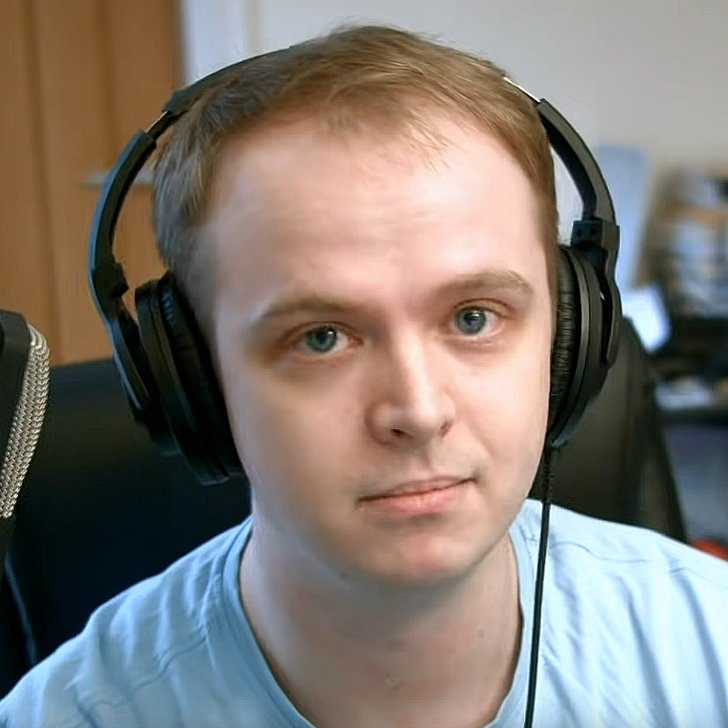
James Somerton is a Canadian YouTuber known for video essays on LGBTQ+ representation in popular media, content he described as covering “uncomfortable things like social unrest, queer theory and anime.” A self-described “marketing expert” with a degree in business administration, he earned nearly six million views and 267,000 subscribers. In December 2023 he became the focus of one of YouTube’s biggest plagiarism scandals after British essayist Harris Brewis, better known as Hbomberguy, posted a nearly four-hour video accusing him of passing off other LGBTQ+ writers’ work for years. Within days Somerton deleted his X, Discord, and Patreon accounts, disabled his videos, and lost tens of thousands of subscribers.
Background Information
Somerton began posting to YouTube in 2013 but only gained significant engagement in 2018, following the popularity of his video essay “Monsters in the Closet – A History of LGBT Representation in Horror Cinema.” The YouTuber who brought him down, Harris Brewis, is a platform fixture: born in 1992 in Halifax, England, he makes left-wing video essays on film, television, and games, and raised $347,000 for the transgender charity Mermaids in a 2019 marathon livestream.
The Controversy or Incident That Led to Their Cancellation
On 3 December 2023, Brewis published a nearly four-hour video essay titled “Plagiarism and You(Tube),” which used several creators — including iilluminaughtii and Internet Historian — as case studies in platform-wide plagiarism before devoting its final two hours to Somerton. Brewis claimed at least 26 videos in Somerton’s library, including private or deleted content, used other queer creators’ work, and that one video alone lifted almost 10,000 words from at least 18 sources. “I wish I could show you everything he copied, we would be here for ever,” Brewis said.
Brewis presented clips of Somerton beside the allegedly stolen originals: passages seemingly taken from Sean P. Griffin’s 2000 book Tinker Belles and Evil Queens in a video on gay encoding in Disney films, material from the documentary of Vito Russo’s The Celluloid Closet in another 2020 video, and uncredited passages from Wikipedia in a video on film theory. At least 22 of his 56 videos allegedly contained plagiarized material, and an hour-and-25-minute video on queer horror tropes reportedly drew on 18 writers, only half named in its credits. Somerton was also accused of misogyny — including comments in a Jeffrey Dahmer video mocking the women and “mostly teenage girls” he said were “swooning” over the killer — and of misgendering trans creators She-Ra’s ND Stevenson and Steven Universe’s Rebecca Sugar. In “Reclaiming the Q Word,” Somerton allegedly falsely claimed that lesbian poet Radclyffe Hall’s obscenity case was thrown out of court because of her sexuality — Hall was in reality found guilty, and copies of her novel The Well of Loneliness were ordered destroyed.
Brewis also alleged a pattern of covering up: when publicly accused, he said, Somerton took down the offending video citing a “citation error” or “copyright issue,” claimed he was “too busy” to credit others, or deleted plagiarized segments and re-uploaded. Brewis said Somerton denied plagiarizing outright in posts and livestreams, credited co-writer Nick Herrgott with writing most of his scripts — a claim Brewis doubted — and reportedly accused his critics of waging a “deliberate homophobic campaign” against “a queer creator.” The allegations extended to money: Somerton reportedly earned $170,000 a year from 4,050 Patreon backers, and a 2022 Indiegogo campaign raised $65,000 for Telos Productions, an LGBTQ+ film studio that had allegedly produced nothing since.
Public Reaction and Consequences
The exposé racked up nearly seven million views within six days. Within 24 hours he deleted his Discord and X accounts, disabled comments on most videos, and posted a Patreon response he soon deleted with the account itself. His first post on 3 December reportedly dismissed the video as a rehash of a disproven allegation; hours later it was replaced with an apology — “But for now, I want to apologise. I’m heart-broken that I’ve lost your trust and just hope that someday, with a lot of work, I can get it back” — in which he said he was “very sorry” and “in a terrible headspace right now.”
The controversy spawned Reddit threads and viral memes. Author Gita Jackson, whose work Somerton allegedly used without attribution, called him the “George Santos of YouTube.” Writer Rachel Brands discovered Somerton had plagiarized her work in one of his videos — through a Patreon subscription she had unwittingly funded — and a woman who noted the alleged thefts reportedly received so many death threats from Somerton’s fans that she locked her accounts and went into hiding. Brewis pledged his video’s earnings to the authors Somerton allegedly stole from; Vox reported that queer writers whose work was “seemingly lifted” were often barely credited — a community harm when an LGBTQ creator steals from his peers for profit.
Current Status
In the days after the video he removed all his videos from public view, deactivated his Twitter and Patreon accounts, and took down the Telos website — the studio Brewis had scrutinized for raising funds without producing films. He later released a widely criticized apology video saying he would continue his career, and re-opened his Patreon without notifying patrons before removing the video hours later and closing the Patreon a second time. YouTuber Todd in the Shadows also released a video debunking Somerton’s claims about queer culture. Know Your Meme noted on 4 December that his channel remained active with comments disabled even as his other accounts sat deleted.
Impact on Their Career/Life
The scandal dismantled the platform Somerton had built since 2013: his channel was purged of its archive, he had lost 49,000 subscribers at the time of reporting, and his Patreon — worth a reported $170,000 a year — was shut down twice. Brewis argued the harm extended beyond Somerton himself: “James has become one of the biggest LGBT YouTubers in the room, essentially absorbing all the support and attention that would have otherwise gone to people who actually do work … They can’t compete on volume with a guy who’s willing to rip off dozens and dozens of other people.” He said the plagiarism helped “erase” queer writers by denying them credit and viewers the chance to discover them. His deleted apology acknowledged the breach of trust, but his attempts at a comeback were short-lived. He went from one of YouTube’s most prominent queer essayists to a cautionary tale about a creator who, in Brewis’s words, treated plagiarism as “a pattern with no sign of stopping.”