Tyshawn Kennedy
Introduction
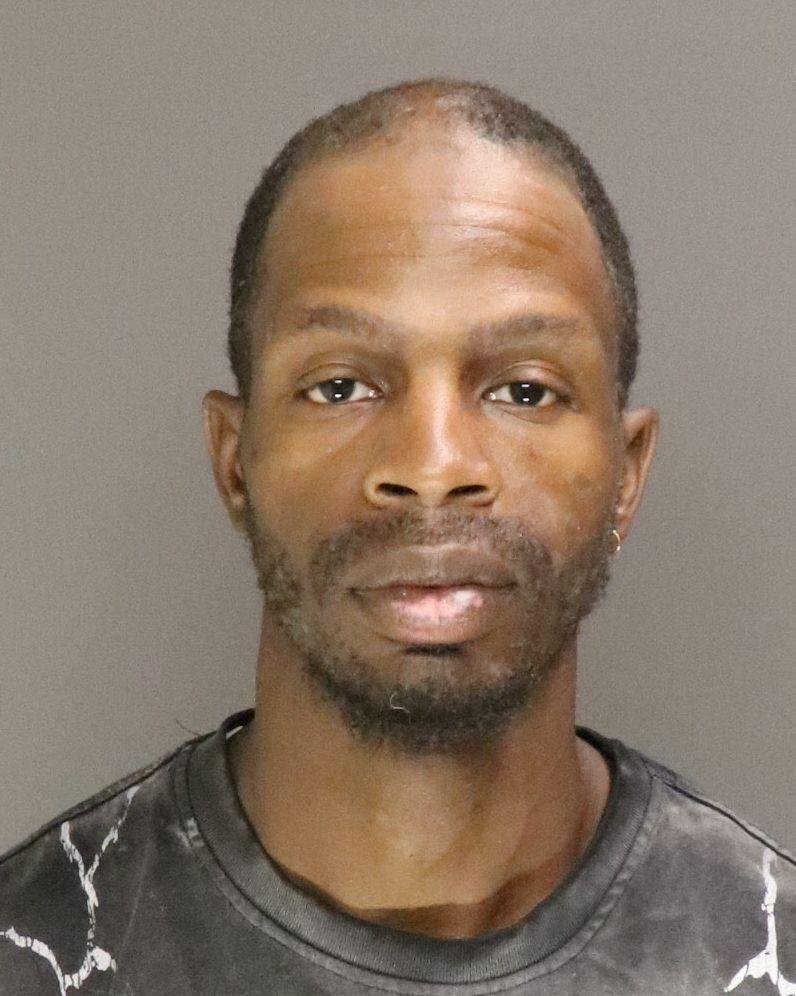
Tyshawn Kennedy is a 35-year-old street vendor in Downtown Brooklyn who became the face of “Hoodwill” — an unlicensed sidewalk market operating outside a Goodwill store — and then the center of a newsroom-standards controversy after the New York Times conceded that its glowing profile of him should have disclosed his status as a registered sex offender. The Times featured Kennedy on August 4, 2026, in a piece portraying the vendor collective as a working-class alternative to Goodwill, quoting him sympathetically about his criminal past. On September 12, 2026, the New York Post reported that Kennedy is a registered high-risk “Level 3” sex offender whose record includes a conviction for second-degree attempted rape of a minor — details the Times acknowledged its story should have included. Hours after the Post began inquiring, the Times added an editor’s note conceding the piece “should not have been published as it was written”.
Background Information
Hoodwill is the neighborhood nickname for a rogue vending operation that has run for more than a decade on the sidewalk outside the Goodwill store at the corner of Bond and Schermerhorn streets in Downtown Brooklyn, according to neighborhood leaders and eyewitnesses cited by the Post. Good Samaritans dropping off bags of clothing and shoes are routinely duped into thinking Kennedy and other crew members are affiliated with Goodwill; the vendors sell the donated goods on the sidewalk and, neighbors say, leave bags of unsold leftovers littering the walkway almost daily. The Times’ August 4 piece focused on how difficult New York City makes obtaining a street-vendor license, quoting shoppers who preferred Hoodwill’s cheaper prices and called its sellers “working-class guys trying to make it.” The article mentioned only in passing that Kennedy had been in and out of jail since he was 18, without specifics, and sympathetically quoted him saying his record made it hard to find employment.
The Controversy or Incident That Led to Their Cancellation
Adjudicated vs. alleged. Kennedy’s 2015 conviction for second-degree attempted rape of a minor and his court-affirmed designation as a Level 3 sex offender are matters of court record. The 2021 New Jersey arrest and the allegations that he kicked a police officer were charges reported at the time, not adjudicated outcomes described in available sources, and remain allegations. No criminal charge over the donation-collection conduct itself appears in available reporting.
The Post’s September 12 report revealed that Kennedy was sentenced in 2015 to two years in prison and required to register as a “Level 3” sex offender — the category New York considers at highest risk of reoffense — after being convicted of second-degree attempted rape involving a minor. Records described by the Post show the underlying April 2014 incident involved “sexual contact” between Kennedy, then 23, and a 14-year-old girl. The Level 3 designation itself survived appellate review: in April 2018 the Appellate Division of the New York Supreme Court, Second Department, affirmed the Kings County order designating him a level three offender under Correction Law article 6-C, upholding 30 points for a prior violent felony and 10 points for his failure to accept responsibility, noting his post-plea claim to probation that he was innocent and had only pleaded guilty to avoid trial. The Post also reported that Kennedy was arrested in 2021 by Bayonne, New Jersey, police for shoplifting and allegedly kicked an officer before being pepper-sprayed, drawing assault and other charges as reported by The Jersey Journal. The Atlantic Avenue Business Improvement District’s executive director described him as “someone with a violent criminal history towards women” whose crew intercepts charitable donations meant for Goodwill.
Public Reaction and Consequences
The immediate consequence fell on the Times. Hours after the Post’s inquiries, the newspaper appended an editor’s note saying senior editors learned of Kennedy’s criminal history after publication, conducted a review, and “concluded that the article fell short of our standards and should not have been published as it was written.” The note conceded that the writer had informed an editor before publication that Kennedy’s history included an attempted rape conviction and that he remains on the state sex offender registry, and that “that information should have been included in the article”. Local figures sharpened the criticism. BID director Kelly Carroll accused the Times of framing the story as an “equity issue” while ignoring Kennedy’s record. Jordan Barowitz, a neighborhood resident and former Bloomberg administration official, said it was unsurprising that someone who intimidates people out of their charitable donations has a criminal history. Downtown Brooklyn Partnership president Regina Myer said the vending has turned the corner into “a dumping ground,” with her organization hauling away roughly 15 to 25 extra-large trash bags several times a week, while Councilman Lincoln Restler said he has repeatedly pressed the Sanitation Department and NYPD for enforcement only to see the vendors return and “aggressively intercept” more donations. Staffers at the Goodwill store declined to comment.
Current Status
Kennedy continues to work the Hoodwill sidewalk market, where the Post interviewed him the day before publication. He said he is “not hiding” from his criminal past, insisted he and his cohorts clean up after themselves, and argued the operation performs a public service because Goodwill “overcharges” for used goods. “What’s wrong with me asking someone for a donation?” he said. “I am out here like everyone else trying to make a hustle for myself. I am staying out of trouble. I did my time.” The Times story remains online carrying its editor’s note, and no new criminal charges against Kennedy had been reported as of the latest coverage. His Level 3 registration obligation continues in effect, as affirmed by the appellate courts.
Impact on Their Career/Life
Before the exposure, Kennedy’s main public platform was sympathetic: he was quoted in the Times as an example of a vendor whose record shut him out of ordinary work, and he told the Post that his criminal history still makes finding a job difficult. He now finds his name attached to a different story — the registered sex offender behind a feel-good feature — and his case has become a talking point in criticism of the Times’ editorial standards, cited by critics as evidence the paper overlooked the nature of his offense to preserve a narrative. For the Hoodwill operation, the scrutiny has spread beyond him, amplifying long-running complaints from the BID, the Downtown Brooklyn Partnership and Restler about unlicensed vending and intercepted donations, and keeping pressure on city agencies to enforce against the market he helped make famous. Whether Kennedy faces new legal exposure remains to be seen; for now, the consequences are reputational, while he continues selling on the same sidewalk.