Neil Gaiman
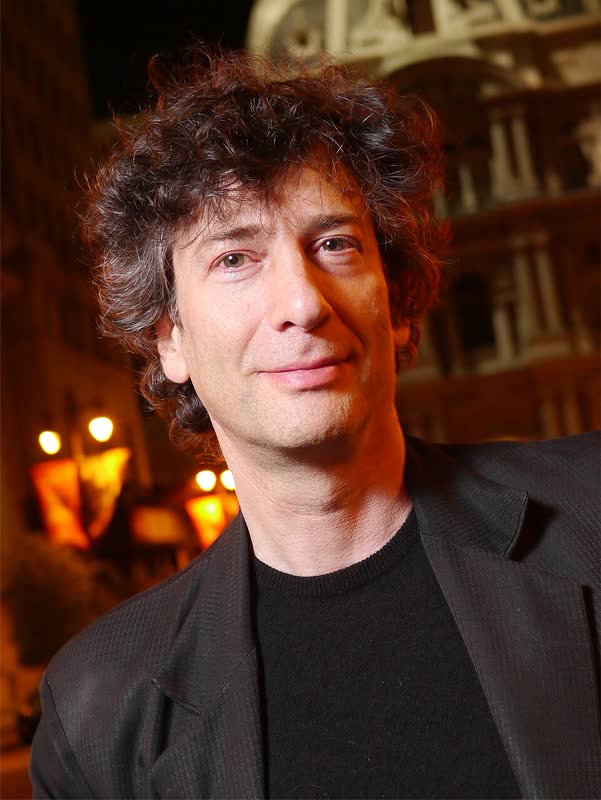
Introduction
Neil Gaiman, the English author of The Sandman, Coraline, and American Gods, saw his publishing and screen empire rapidly unwind in late 2024 and early 2025 after he was publicly accused of sexual assault and coercion. In January 2025, a New York Magazine cover story reported allegations from eight women, prompting publisher Dark Horse Comics to drop him, a stage production of Coraline to be cancelled, and Netflix to end The Sandman after its coming second season. Gaiman has repeatedly denied the allegations, saying he “never engaged in non-consensual sexual activity with anyone. Ever.”
Background Information
Gaiman was born Neil Richard Gaiman on November 10, 1960, in Portchester, Hampshire, England, and became one of the most celebrated fantasy authors of his generation. His best-known works include the comic series The Sandman (1989-1996), the novels Good Omens (1990, co-written with Terry Pratchett), Stardust (1999), American Gods, Coraline, and The Graveyard Book (2008). He married musician Amanda Palmer in 2011; the pair separated in 2022.
His books have been adapted across film, television, and theatre. The Sandman premiered on Netflix in 2022, while Good Omens premiered on Amazon Prime in 2019 with Gaiman credited as creator, executive producer, and showrunner. Netflix’s Dead Boy Detectives, based on characters Gaiman created for DC Comics, was set in the same fictional universe as The Sandman. A film adaptation of The Graveyard Book was in development at Disney with Marc Forster attached to direct.
The Controversy or Incident That Led to Their Cancellation
In July 2024, the investigative outlet Tortoise Media reported allegations of sexual misconduct against Gaiman from two women, including sexual abuse and coercive behaviour. One woman, identified only by her first name, Scarlett, alleged that Gaiman performed sexual acts on her without her consent while she was working as a nanny for his family in New Zealand; a second woman, identified as K, alleged that Gaiman penetrated her without consent. Gaiman strongly denied any unlawful conduct. Tortoise also released a six-part podcast, “Master,” which covered the allegations of five women.
The allegations accelerated sharply on January 13, 2025, when New York Magazine published a cover story by reporter Lila Shapiro titled “There Is No Safe Word” in which eight women described similar experiences with Gaiman, including a babysitter for Gaiman and Palmer’s child, a caretaker at his property in Woodstock, New York, a fan who first met the author when she was 18, and a woman who alleged he attempted to sexually assault her on his tour bus. Many of the women alleged that Gaiman had a preference for rough sex and BDSM activities that had not been consented to beforehand. Four of the eight accusers had also participated in Tortoise’s podcast. The Guardian separately reported an allegation from Caroline Wallner, who said Gaiman pressured her into sex in return for letting her live at his upstate New York property and had her sign a non-disclosure agreement in return for a $275,000 payment.
Gaiman denied the New York Magazine story’s allegations, writing on his blog: “I have never engaged in non-consensual sexual activity with anyone. Ever.” He also expressed regret for how he handled some relationships, saying, “I was emotionally unavailable while being sexually available, self-focused and not as thoughtful as I could or should have been,” while insisting, “I cannot and will not admit to doing things I didn’t do.” His ex-wife Amanda Palmer posted a statement on Instagram on February 7, 2025 denying the allegations made against her.
Public Reaction and Consequences
The fallout hit nearly every corner of Gaiman’s career. On January 25, 2025, Dark Horse Comics announced it was no longer publishing his works and confirmed that the Anansi Boys comic series and collected volume had been cancelled. In January, producers cancelled the stage adaptation Coraline — A Musical, which had been set to begin at Leeds Playhouse in April, saying it would be “impossible to continue in the context of the allegations against its original author.” Netflix announced there would be no further seasons of The Sandman once season two was released, with showrunner Allan Heinberg saying the plan for a two-season run had been made back in 2022. Amazon’s Good Omens was reduced to a single 90-minute final episode with no involvement from Gaiman, who was no longer listed among the series’ executive producers for it. Netflix’s Dead Boy Detectives was cancelled after one season, first reported by Variety in August 2024, though it has not been confirmed whether that decision was related to the allegations. Disney also paused production on its film adaptation of The Graveyard Book.
None of the streaming services confirmed that the decisions were made because of the allegations, and Gaiman’s representatives declined to comment on them. According to Deadline, Gaiman had offered to step back from his involvement in Good Omens even before production was paused in September 2024.
Current Status
As of February 2025, Gaiman continued to deny all allegations of non-consensual conduct. Dark Horse had stopped publishing his works, and his other publishers — including Bloomsbury, Penguin, Hachette, DC Comics, and Titan — had not commented on the situation at the time of ABC News’s report. The Sandman’s second season, filmed before the allegations became public, was still expected to be released on Netflix in 2025 as the series’ final season.
Impact on Their Career/Life
The allegations produced one of the most sweeping career collapses of any living author, unravelling adaptations across Netflix, Amazon, Disney, and the stage within roughly eighteen months of the initial Tortoise report. Multiple studios either cancelled or paused projects based on his books, his comics publisher severed ties, and a planned theatre production was abandoned. Gaiman has publicly maintained his innocence, framing the stories told about him as false or distorted, but the concentration of consequences across publishing, streaming, and theatre marked a decisive break from the era in which his name guaranteed a project a wide audience.