Larry Krasner
Introduction
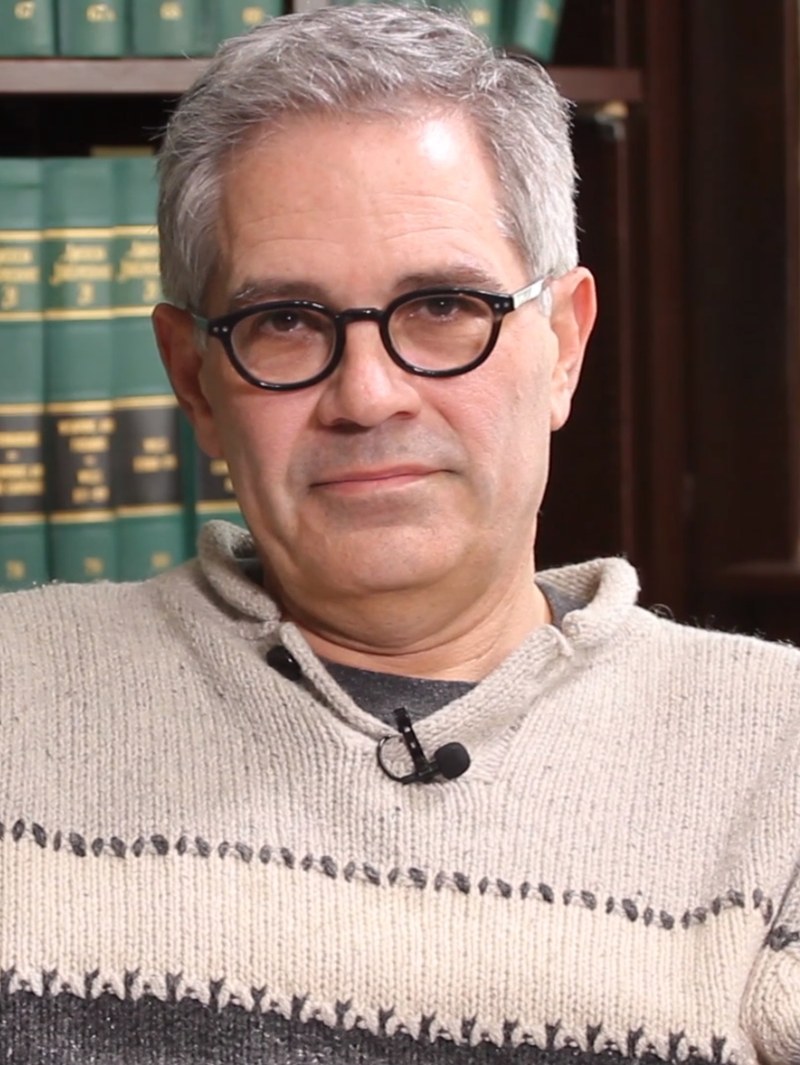
Larry Krasner is the Democratic District Attorney of Philadelphia, in office since 2018 and one of the first candidates in the country to run as a self-described “progressive prosecutor.” On September 15, 2026, U.S. District Judge Paul Diamond referred Krasner and one of his top deputies to the U.S. Attorney’s Office for investigation into whether they violated the law while handling an effort to overturn a 2009 murder conviction — a referral that the judge grounded in what he called a “prima facie showing” of possible perjury, obstruction of justice and conspiracy. Krasner says he “respectfully and vigorously” disagrees with the findings and intends to appeal; a referral is not a criminal charge, and no charges have been filed.
Background Information
Krasner, born March 30, 1961, holds a bachelor’s degree from the University of Chicago (1983) and a law degree from Stanford (1987), and spent roughly 30 years as a criminal defense and civil rights lawyer in Philadelphia, frequently representing protesters pro bono before winning the DA’s office in 2017. He was re-elected in 2021 and won a third term in November 2025 with about 76% of the vote. His tenure has been contested before: in November 2022 the Pennsylvania House impeached him, 107-85, on seven articles that included alleged “dereliction of duty” over the city’s gun-violence crisis and attempted obstruction of the legislative probe itself — the first Pennsylvania impeachment since 1994 — but the trial was postponed and the state Supreme Court ruled the articles expired in September 2024. In June 2026, the Pennsylvania Supreme Court separately ordered the state attorney general to review every case in which Krasner’s office had sided with a defendant to overturn a conviction.
The Controversy or Incident That Led to Their Cancellation
Allegations. Everything in this section comes from a federal judge’s civil memorandum and sworn testimony in post-conviction hearings — not from criminal proceedings. The referral is not a charge, Krasner denies wrongdoing, and no court has found that he committed a crime.
The dispute grew out of the case of Dennis Johnson, convicted by a Philadelphia jury in 2009 of second-degree murder, robbery and a firearms offense in the 2007 killing of Kenyatta Smith, and sentenced to life. In 2022, Krasner’s Conviction Integrity Unit — then headed by Matthew Stiegler — filed a concession stating Johnson was entitled to habeas relief based on ineffective assistance of counsel; former ADA Jaclyn Mason, who wrote the filing, later testified she had been used as a “scribe” and “pawn” to get Johnson out while meeting with his defense lawyers and the Innocence Project. After Diamond opened evidentiary hearings in May 2026, the office conceded the document was riddled with errors — including a misstatement about whether an eyewitness saw the shooter’s face — and in June moved to withdraw it, acknowledging “material misstatements.”
What turned a botched filing into a criminal referral was the testimony about how Krasner’s office handled its own mistakes. Multiple supervisors said they urged Krasner to send the case to the Pennsylvania Attorney General’s Office because of Stiegler’s conflicts; supervisors Katie Ernst and Steven Wildberger testified he refused — at times angrily, saying he “hated” the AG’s office and calling it “full of Nazis” and “Paraguay” — and insisted he stay involved “to protect the office.” Staffers who raised conflict concerns were warned they could face “consequences,” which witnesses said they took to mean being fired, and three supervisors testified Krasner suggested combing Mason’s past case files for mistakes to shift blame onto her. Diamond wrote that Krasner and Stiegler acted to protect their own interests rather than the Commonwealth’s, discouraged a full investigation and any outside referral, and that the record amounts to a “prima facie showing” of possible false statements, false declarations under oath, perjury, obstruction of justice and conspiracy. Notably, the same supervisors who testified about the pressure also rejected Mason’s characterization of the episode as a “cover-up,” and the judge found the office conducted no real investigation of its own, instead following the recommendations of Johnson’s appellate attorneys.
Public Reaction and Consequences
Diamond disqualified Krasner and Stiegler from the Johnson case and referred both men — and the matter — to the U.S. Attorney’s Office for the Eastern District of Pennsylvania for “investigation and other appropriate action,” an unusual step against a sitting district attorney. The rest of the DA’s office remains on the case under new supervision. Coverage of the referral spread nationally the same day, with outlets framing it as the deepest legal jeopardy yet for one of the country’s most prominent progressive prosecutors. Support has been visible too: faith leaders, exonerees and criminal-justice advocates rallied for Krasner earlier in the case, arguing he is being unfairly targeted for his efforts to overturn wrongful convictions. Stiegler did not respond to requests for comment, and the U.S. Attorney’s Office declined to comment.
Current Status
Krasner remains in office as District Attorney — the referral does not remove him — while the criminal question now sits with federal prosecutors, who will decide whether to seek an indictment; a judge cannot file charges. “I respectfully and vigorously disagree with the court’s findings of fact and conclusions of law,” Krasner said in a statement, adding, “I look forward to appealing to the higher court as soon as the law allows,” while noting the pending matter limits what he and his office can say publicly. Johnson’s habeas petition remains on hold, and no criminal charges have been filed against Krasner or Stiegler.
Impact on Their Career/Life
The referral lands on a third-term DA who has already survived a state impeachment attempt, and it converts a years-long professional controversy into a potential federal criminal investigation of the city’s top prosecutor — a first in his career. In the near term he has lost control of a high-profile case he once championed, with his office continuing under independent supervision and his signature conviction-integrity work under a statewide attorney-general review; allies warn the fallout could chill efforts to overturn wrongful convictions across Pennsylvania. If the U.S. Attorney’s Office pursues charges, or if his appeal fails, the consequences for the remainder of his term — and for the progressive-prosecutor movement he helped define — would grow substantially; until then, he remains the elected DA of Philadelphia, disputing the judge’s findings.