Andrzej Jeż
Introduction
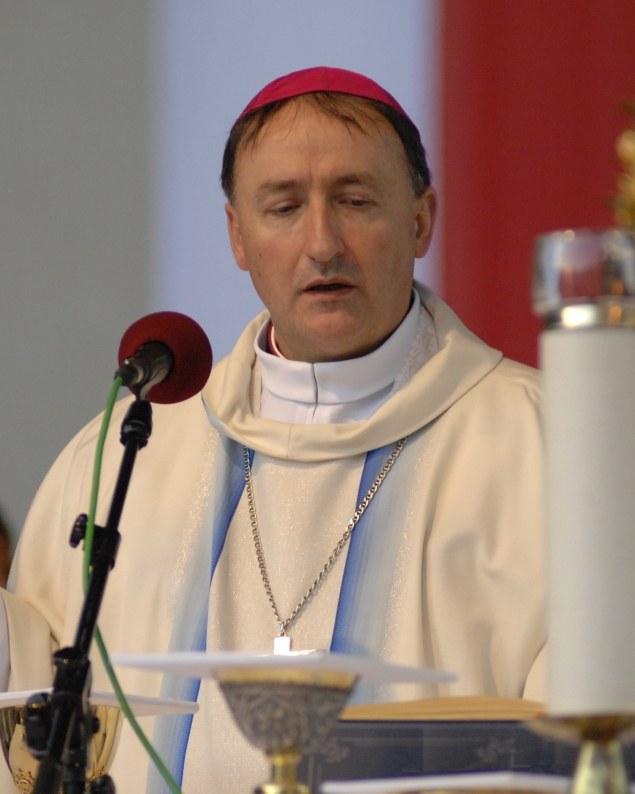
Andrzej Jeż is the Roman Catholic Bishop of Tarnów, in southern Poland, and on October 29, 2026 he became the first bishop in Poland convicted of failing to report the sexual abuse of minors by his own priests. The District Court in Tarnów found the 63-year-old guilty on both counts of the indictment — that he held credible information about sexual offenses against children under 15 by two priests of his diocese and did not promptly notify prosecutors — and sentenced him to two years of restriction of liberty, carried out as deductions from his salary. The verdict is not final: his diocese immediately announced it would appeal. He pleaded not guilty throughout the eight-month trial.
Background Information
Jeż, born May 3, 1963, in Limanowa, has led the Tarnów diocese since 2012 — a see that consistently records the highest level of Catholic practice in Poland. A 2017 amendment to the Polish penal code made it a crime, punishable by up to three years in prison, to fail to report offenses such as child sexual abuse to law enforcement once a person holds credible information; the duty took effect July 13, 2017. Poland’s Supreme Court clarified in 2022 that the obligation also covered people who had received credible information before that date but failed to report after it came into force — the legal question at the heart of Jeż’s defense.
The Controversy or Incident That Led to Their Cancellation
Convicted. On October 29, 2026, the District Court in Tarnów found Bishop Andrzej Jeż guilty of both counts of failing to promptly notify law enforcement about the sexual abuse of minors by two priests of his diocese, Stanisław P. and Tomasz K., and imposed a combined sentence of two years’ restriction of liberty — 25 percent of his monthly salary deducted — plus a payment to Poland’s fund for victims. The verdict is not final and his defense is appealing.
The Tarnów district prosecutor’s office filed the indictment in April 2024, accusing Jeż of violating Article 240 of the penal code: prosecutors said he had credible information that the two priests sexually abused children under 15, and that the diocese reported the cases more than three years after the reporting duty came into force in 2017 — in the case of Stanisław P., only after an article by priest Tadeusz Isakowicz-Zaleski publicized the abuses, which per prosecutors involved 23 boys under 15 and had by then become time-barred. Prosecutor Marcin Stępień argued the delay meant some victims’ cases fell outside the statute of limitations and told the court: “There are no reasons that could justify concealing pedophilia. If someone believes they were doing it for the good of their own environment, or out of fear of criticism from society, then they deserve punishment all the more.”
The trial — described by Polish media as unprecedented, the first in which a bishop answered criminally for failing to report subordinates’ abuse — opened February 18, 2026. Jeż apologized to abuse victims but denied the charge, testifying that the curia’s report was the first moment he held credible information and that law enforcement already knew of other clergy-abuse cases. His defense argued there was no intentional omission: the delay reflected unclear rules — until a 2022 Supreme Court ruling it was unsettled whether the 2017 duty covered pre-amendment offenses — jurisdictional doubts in the Stanisław P. case, whose acts mostly occurred in Ukraine, and, in Tomasz K.’s case, the bishop’s claim that he long did not know any victim was under 15. At closing arguments on October 15, prosecutors sought ten months’ imprisonment suspended for three years plus a 20,000-złoty fine; the defense demanded acquittal. The court instead convicted on both counts and imposed the milder restriction-of-liberty penalty.
Public Reaction and Consequences
The conviction landed as a landmark in one of Europe’s most devoutly Catholic nations, where clergy abuse scandals have steadily eroded trust: a 2025 IBRiS poll found the share of Poles who trust the Catholic Church had fallen to 35 percent from 58 percent in 2016, and in 2024 a Polish bishop and an archbishop had already resigned over negligence in handling abuse cases. The Tarnów curia answered the verdict the same day, saying it “does not agree” with the ruling, does not contest that Jeż was found guilty of both charges, and will appeal once the written reasoning is issued. The trial record itself was unusually deep for a hierarchy case: the court heard the diocese’s former bishop, a former child-protection delegate, and one of the victims.
Current Status
Jeż stands convicted of both counts as of October 29, 2026, but the judgment is not final: the diocese has announced an appeal, and his lawyers will first request the court’s written reasoning. The sentence — two years’ restriction of liberty through salary deductions plus a payment to the Victim Assistance Fund — is lighter than the suspended prison term prosecutors sought. The underlying abuse cases remain split: the criminal case against Stanisław P. was dropped because the offenses became time-barred, while proceedings against Tomasz K. continue separately. Nothing in the coverage indicates the Vatican or the diocese has moved to remove Jeż from the see of Tarnów while the appeal is pending.
Impact on Their Career/Life
A bishop who led Poland’s most observant diocese for over a decade is now a criminally convicted hierarchy figure, and the case sets the precedent Polish prosecutors can charge bishops themselves for burying abuse reports — with the state news agency PAP and wire coverage worldwide framing it as the highest-profile such case against a Catholic Church leader in Poland. Dozens of people were victims of the two priests whose abuse sat unreported, some past the point of prosecution. Whatever the appeal brings, the Tarnów verdict makes cover-up a personal criminal liability for Polish bishops, not merely an institutional scandal.
Sources
- NY Post, “Polish bishop convicted of failing to report sexual abuse of minors by 2 priests,” October 29, 2026 — source
- RMF24/PAP, “Biskup tarnowski Andrzej Jeż skazany. Zapadł historyczny wyrok,” October 29, 2026 — source
- RMF24/PAP, “Biskup na ławie oskarżonych. Prokuratura domaga się 10 miesięcy więzienia w zawieszeniu,” October 2026 — source
- The Pillar via BishopAccountability.org, “Closing arguments heard at Polish bishop’s landmark trial,” October 16, 2026 — source
- Wikipedia, “Andrzej Jeż” — source