Antoine Fuqua
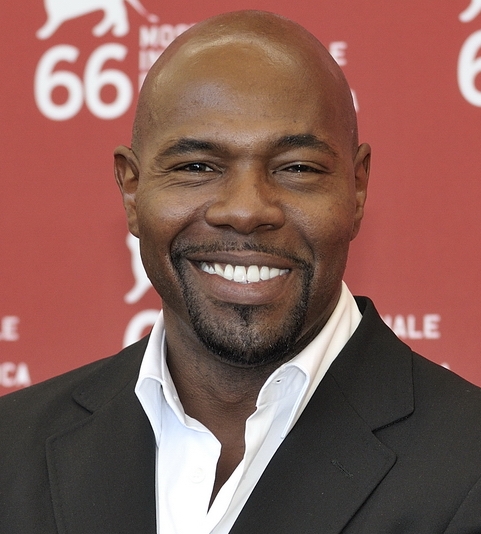
Introduction
Antoine Fuqua, the 61-year-old Hollywood director behind “Training Day,” “The Equalizer” franchise and the Michael Jackson biopic “Michael,” and his son Brando Fuqua are facing a civil lawsuit accusing the pair of pistol-whipping a Hollywood bar manager in the face with handguns, directing a racial and antisemitic slur at him, and threatening to kill him during a confrontation outside the bar Good Times at Davey Wayne’s on Valentine’s Day. The suit, filed Friday in Los Angeles County Superior Court by assistant manager William Rosenthal, alleges assault, battery and intentional infliction of emotional distress and seeks more than $50,000 in damages plus a jury trial. A representative for Fuqua denied the accusations: “Those allegations are not true,” the representative told the Los Angeles Times on Tuesday.
Background Information
Fuqua built his name on crime dramas and blockbusters — “Training Day” and “The Equalizer” films starring Denzel Washington are his signature credits, and he most recently directed the Jackson biopic “Michael.” The accuser, William Rosenthal, works as an assistant manager at Good Times at Davey Wayne’s, a popular Hollywood retro bar, where he was supervising the door on the night of the alleged encounter. The confrontation allegedly followed an entry dispute that February night; authorities reportedly looked into the reported attack at the time but took no further action, according to Deadline reporting cited by the New York Post, and the allegations reached the public record only when the complaint was filed in November.
The Controversy or Incident That Led to Their Cancellation
Allegations. The claims in this section are allegations from a civil complaint filed in Los Angeles County Superior Court, which the plaintiff describes in detail; they were never admitted by Antoine or Brando Fuqua, never criminally charged, and never adjudicated in court — authorities reportedly investigated the reported February attack and took no further action. Antoine Fuqua denies all of them through a representative, who said “Those allegations are not true.”
According to the 10-page complaint, the encounter began when Rosenthal denied entry to a group of five people — purportedly including Fuqua’s daughter — because they were “visibly overly intoxicated”; Rosenthal claims one member of the group spat on him and that Fuqua’s daughter “verbally harassed and threatened” him, prompting him to demand they leave. Roughly two hours later, at around 11:15 p.m., the filmmaker and his son allegedly showed up outside the establishment.
The complaint alleges Fuqua confronted Rosenthal and accused him of pepper-spraying his daughter — an accusation Rosenthal denied — and that the encounter escalated when both men struck Rosenthal in the face with handguns. The lawsuit further alleges Fuqua “directed a racial and antisemitic slur at Plaintiff and threatened to kill him,” and that the pair then “pointed their handguns at Plaintiff, placing him in imminent fear for his life, before fleeing down the street.” Rosenthal claims he “sustained severe physical and mental injuries”; Variety, describing the filing, reports the claimed injuries include a nose fracture, head injury, skin lacerations, post-traumatic stress disorder, severe emotional distress and severe scarring, which the complaint says have caused continuing pain and are believed likely to result in some permanent disability.
Public Reaction and Consequences
Fuqua’s team moved quickly to reject the filing: “Those allegations are not true,” a representative told the Los Angeles Times on Tuesday, the first public response to the complaint. No criminal charges have ever been filed against either Fuqua in connection with the reported encounter — authorities reportedly investigated in February and, per Deadline, took no further action; the California Post said it reached out to the Los Angeles Police Department about the lawsuit but did not immediately hear back. The complaint’s account — a doorway refusal escalating into an alleged armed assault outside the bar — drew national trade and mainstream coverage within days of filing.
Current Status
As of the November 24-25 coverage, the case is a pending civil suit and nothing more: the claims are allegations that have not been tested in any proceeding, no criminal charge exists, and both defendants are presumed innocent of any wrongdoing the complaint describes. Rosenthal is demanding a jury trial and seeking more than $50,000 in damages, including compensation for medical expenses, lost earnings, punitive damages and legal fees. Fuqua, through his representative, denies the allegations; no hearing date or formal response filing appears in the coverage so far.
Impact on Their Career/Life
The suit puts a sworn allegation of violence — not a feud or a rumor — into the public record of a director whose brand runs through authoritative crime stories, and it arrives while “Michael,” his Jackson biopic, is his most prominent active project; the trade coverage has uniformly attached the case to that film. The complaint also resurrects a February incident that closed without charges, converting it into a documented legal claim with a named accuser, specific injuries and a damages demand. Any consequence beyond the courtroom — professional, promotional or reputational — has not yet materialized in the coverage; his denial remains the only substantive response.
Sources
- “NY Post: Hollywood director pistol-whipped man, hurled antisemitic slurs: lawsuit” source
- “Los Angeles Times: Antoine Fuqua denies Hollywood bar manager’s pistol-whipping, antisemitic slur allegations” source
- “Variety: ‘Michael’ Director Antoine Fuqua Accused of Assault, Battery by L.A. Bar Manager” source